Abstract
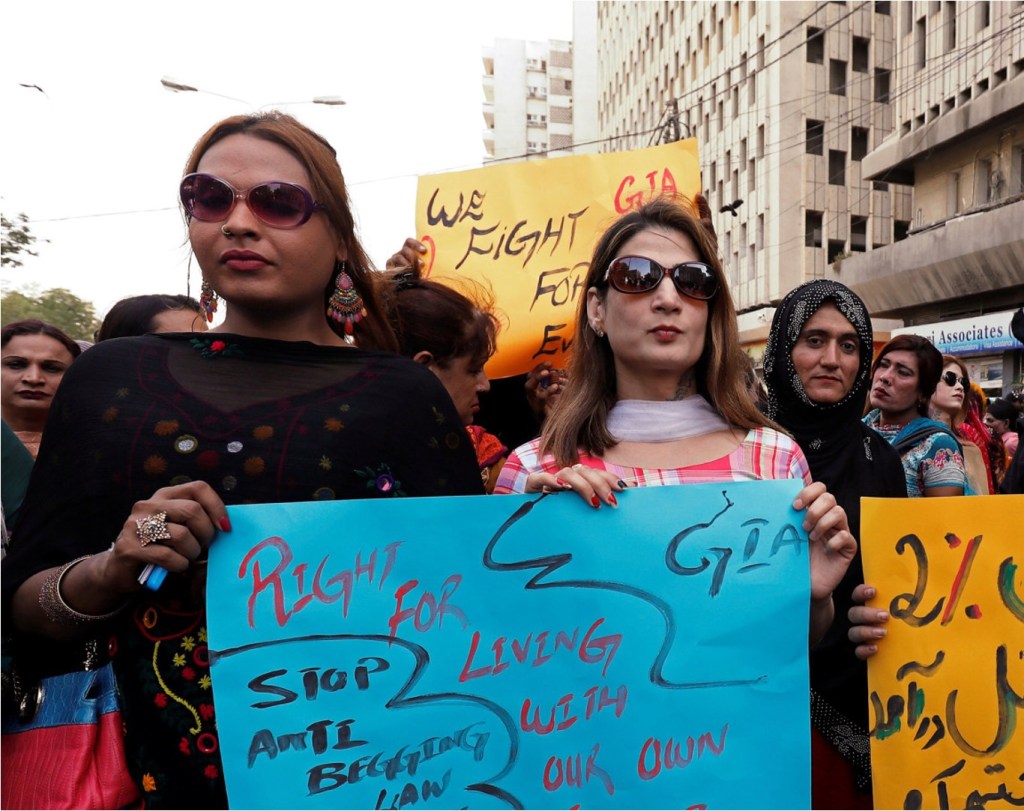
This article explores the contemporary realities and structural barriers faced by transgender individuals in workplaces in Pakistan and globally. It draws on recent research, legal updates, and development initiatives. Although legal reforms have improved formal recognition of transgender individuals in Pakistan, persistent discrimination, economic exclusion, and limited institutional accountability continue to undermine their full inclusion. The article presents a multilevel strategy—individual, organizational, and societal—for managing transgender diversity in the workplace and advancing social justice, offering a framework that can inform both policy and leadership practice in emerging and global contexts.
Citation: Syed, J. (2025). Transgender Inclusion at Work: Contemporary Challenges and Strategies in Pakistan and Beyond. SAAM Working Paper Series 25071. South Asian Academy of Management.
Indicative Discussion Questions
- Why is a multilevel perspective important to understand issues and challenges facing transgender individuals at work?
- What are the risks for Pakistani firms that exclude transgender individuals from formal employment?
- How can business leaders move beyond legal compliance to foster real workplace inclusion for transgender employees?
- In what ways can cultural or religious values in Pakistan support, rather than hinder, transgender inclusion at work?
Copyright and Permissions: (c) South Asian Academy of Management. An inspection copy of this article is available free of cost at the following link. For classroom use or to order copies or request permission to reproduce materials, email: info@southasianaom.org OR call (+92) 3291009981. This publication may not be digitized, photocopied, or otherwise reproduced, posted, used or transmitted, without the permission of South Asian Academy of Management.

 South Asian Academy of Management