Synopsis
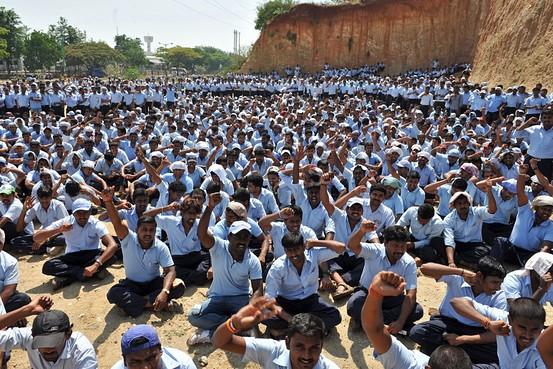
This case examines labour unrest in India’s automobile sector, focusing on Toyota’s 2014 strike in Bangalore and Hyundai’s 2010 strike in Tamil Nadu. Both cases highlight disputes over wages, worker rights, and layoffs, reflecting broader tensions in India’s industrial relations framework. The case also explores how India’s labour laws, which require state approval for layoffs and restrict contract hiring, contribute to frequent strikes and management-labour conflicts. It raises critical questions about balancing worker rights, corporate flexibility, and India’s global competitiveness as an automotive hub.
Intended Learning Outcomes (ILOs)
By the end of this case discussion, students should be able to:
- Analyze the root causes of labour unrest in India’s automobile sector.
- Evaluate the role of labour laws in shaping industrial disputes.
- Compare different conflict resolution strategies used by Toyota and Hyundai.
- Assess the economic and policy implications of frequent strikes on India’s global competitiveness.
Target Courses & Programs
Undergraduate & Graduate Courses: Human Resource Management (HRM), Industrial Relations
MBA & Executive Programs: HRM; Corporate Governance and Public Policy; Labour Law and Industrial Disputes
Author: Jawad Syed
Copyright and Permissions: (c) South Asian Academy of Management. An inspection copy of this case is available free of cost at the following link. For classroom use or to order copies or request permission to reproduce materials, email: info@southasianaom.org OR call (+92) 3291009981. This publication may not be digitised, photocopied, or otherwise reproduced, posted, used or transmitted, without the permission of South Asian Academy of Management.

